Showing posts with label Fashion. Show all posts
 new short haircuts for 2016 for women over 50 Latest Women Fashionhttp://res.cloudinary.com/demo/image/fetch/c_scale,w_500,h_500,r_30,c_thumb,g_face,e_saturation:10/http://gvenny.com/images/short-trendy-hairstyles-for-women-over-50/short-trendy-hairstyles-for-women-over-50-49-18.jpg
Latest Short Hairstyles For Women
A hair, hairdo, or haircut identifies the styling of head of hair, on the individuals head usually. Sometimes, this could imply an editing of beard mane also. The fashioning of hair can be viewed as an element of personal grooming, fashion, and cosmetics, although practical, cultural, and popular considerations effect some hair styles also. The oldest known depiction of hair braiding goes back about 30,000 years. In traditional civilizations, women's hair was often elaborately and carefully dressed up in special ways. In Imperial Rome, women used their head of hair in complicated styles. From enough time of the Roman Empire[citation needed] before Middle Ages, most women grew their wild hair as long as it could grow by natural means. Through the Roman Empire as well as in the 16th century under western culture, women started out to wear their hair in ornate styles extremely. Within the later half of the 15th century and on into the 16th century an extremely high hairline on the forehead was considered attractive. Through the 16th and 15th ages, Western european men wore their hair cropped no than shoulder-length much longer. In the early 17th century male hairstyles grew longer, with waves or curls being considered desirable.
The male wig was pioneered by Ruler Louis XIII of France (1601-1643) in 1624. Periwigs or perukes for men were unveiled in to the English-speaking world with other French styles in 1660. 17th-century wigs were very long and wavy late, but became shorter in the mid-18th century, by which time these were white normally. Short hair for fashionable men was something of the Neoclassical movement. In the first 19th century the man beard, and also moustaches and sideburns, made a strong reappearance. Through the 16th to the 19th century, European women's locks became more visible while their locks coverings grew smaller. In the center of the 18th century the pouf style developed. During the First World Conflict, women around the global world started to shift to shorter hairstyles that were better to manage. In the first 1950s women's hair was generally curled and worn in a number of styles and lengths. In the 1960s, a lot of women started out to wear their locks in a nutshell modern cuts such as the pixie cut, within the 1970s, hair tended to looser be much longer and. In both 1960s and 1970s many men and women used their locks very direct and long. Inside the 1980s, women pulled back their hair with scrunchies. During the 1980s, punk hairstyles were implemented by some people.
Throughout times, folks have worn their hair in a wide variety of styles, determined by the fashions of the culture they reside in largely. Hairstyles are signifiers and markers of social class, age, marital status, racial identification, political beliefs, and attitudes about gender.
In many ethnicities, for religious reasons often, women's locks is covered while in public areas, and in a few, such as Haredi Judaism or Western european Orthodox neighborhoods, women's head of hair is shaved or lower very brief, and covered with wigs.Only since the end of World Battle I've women started to wear their mane short and in fairly natural styles.
Paleolithic
- The oldest known reproduction of wild hair braiding lies back about 30,000 years: the Venus of Willendorf, now known in academia as the girl of Willendorf, of a female figurine from the Paleolithic, estimated to possess been made between about 28,000 and 25,000 BCE.The Venus of Brassempouy matters about 25,000 years old and shows hairstyling indisputably.
Bronze Age
- In Bronze Years razors were known and used by some men, however, not on a daily basis since the technique was rather unpleasant and required resharpening of the tool which reduced its endurance.
Ancient history
- In early civilizations, women's mane was often elaborately and carefully dressed up in special ways. Women coloured their wild hair, curled it, and pinned it up (ponytail) in a variety of ways. They place their hair in curls and waves using wet clay, that they dried out in the sun and then combed out, or else by using a jelly manufactured from quince seeds soaked in water, or styling tongs and curling irons of varied kinds.
Roman Empire and DARK AGES
- Between 27 BC and 102 Advertisement, in Imperial Rome, women wore their hair in complicated styles: scores of curls on top, or in rows of waves, drawn back into braids or ringlets. Eventually noblewomen's hairstyles grew so complex that they required daily attention from several slaves and a stylist to become maintained. The scalp was lightened using real wood ash, unslaked lime and sodium bicarbonate, or darkened with copper filings, oak-apples or leeches marinated in wine beverage and vinegar. It had been augmented by wigs, pads and hairpieces, and held set up by nets, pins, combs and pomade. Under the Byzantine Empire, noblewomen covered almost all of their hair with silk pearl and caps nets.
Best HAIRSTYLES For Short Hair Women
- It is very important to choose the best short hair styles for women since it takes on a huge part of your style. Getting the right hairstyle can provide you with delight and positive emotions. Find out which hairstyle is perfect for your character and personality. You should also seek advice from your hairstylist before having a new haircut. After all, changes are great and it can also add positive outlook in your daily life. Feel free to browse our collection of short hairstyles for women and choose the one which your like best.
LatestShortHairstylesforWomen2014 – I Me My Health
 http://www.imemyhealth.com/wp-content/uploads/2015/02/Latest-Short-Hairstyles-for-Women-2014.jpg
Latest Short Hair Styles 2014 For Women Life n Fashion
 http://www.lifenfashion.com/wp-content/uploads/2014/02/Latest-Short-Hairstyles-2014-For-Women-And-Girls-009.jpg
Short Hairstyles For Black Womens New Hair Styles For Women Men LONG
 http://www.allnewhairstyles.com/wp-content/uploads/2015/10/latest-summer-short-hairstyles-for-women-2015-2016-15-jpg.jpg
Latest Short Hairstyles for Women 2014 Random Talks
 http://randomtalks.snydle.com/files/2014/01/latest-short-hairstyles-for-black-women.jpg
OIP.M3c87e8dedae2704f5f2141eea021505eo1
26BC4108B03D3D2FA459FCC64EEF8171A6000C78A8http://www.latestwomenfashionn.com/2016/02/new-short-haircuts-for-2016-for-women-over-50.html
Embed Our image to your website
ThumbnailImageEmbed Our image to a Forum
ThumbnailImage
new short haircuts for 2016 for women over 50 Latest Women Fashion
Latest Short Hair Styles 2014 For Women Life n Fashionhttp://www.lifenfashion.com/wp-content/uploads/2014/02/Latest-Short-Hairstyles-2014-For-Women-And-Girls-009.jpgLatest Short Hairstyles For Women
A hair, hairdo, or haircut refers to the styling of mane, on the human being head usually. Sometimes, this could also mean an editing of beard hair. The fashioning of hair can be viewed as an element of personal grooming, fashion, and cosmetics, although practical, cultural, and popular concerns effect some hairstyles also. The oldest known depiction of hair braiding dates back about 30,000 years. In old civilizations, women's hair was often elaborately and carefully dressed up in special ways. In Imperial Rome, women wore their scalp in complicated styles. From the time of the Roman Empire[citation needed] until the Middle Ages, most women grew their mane as long as it would increase in a natural way. Through the Roman Empire as well as in the 16th century in the western world, women began to wear their hair in extremely ornate styles. Within the later half of the 15th century and on into the 16th century a very high hairline on the forehead was considered attractive. Through the 15th and 16th decades, Western men wore their wild hair cropped no than shoulder-length much longer. In the first 17th century male hairstyles grew longer, with waves or curls being considered desirable.
The male wig was pioneered by Ruler Louis XIII of France (1601-1643) in 1624. Periwigs or perukes for men were introduced into the English-speaking world with other French styles in 1660. 17th-century wigs were lengthy and wavy late, but became shorter in the mid-18th century, by which time they were white normally. Short hair for fashionable men was something of the Neoclassical movement. In the first 19th century the guy beard, and also moustaches and sideburns, made a solid reappearance. From 16th to the 19th century, European women's mane became more noticeable while their locks coverings grew smaller. In the center of the 18th century the pouf style developed. During the First World War, women around the world started to shift to shorter hairstyles that were easier to manage. In the early 1950s women's hair was generally curled and worn in a variety of styles and lengths. In the 1960s, many women commenced to wear their locks in short modern cuts such as the pixie cut, while in the 1970s, hair tended to be much longer and looser. In both the 1960s and 1970s a lot of men and women wore their hair very right and long. Inside the 1980s, women pulled back their hair with scrunchies. Through the 1980s, punk hair styles were followed by some interpersonal people.
Throughout times, people have worn their hair in a multitude of styles, largely determined by the fashions of the culture they live in. Hairstyles are markers and signifiers of social class, age, marital status, racial identification, political beliefs, and attitudes about gender.
In many cultures, for religious reasons often, women's mane is protected while in public areas, and in a few, such as Haredi Judaism or European Orthodox communities, women's mane is shaved or trim very short, and covered with wigs.Only because the end of World War I have women begun to wear their locks brief and in quite natural styles.
Paleolithic
- The oldest known duplication of locks braiding lies again about 30,000 years: the Venus of Willendorf, known in academia as the girl of Willendorf now, of a female figurine from the Paleolithic, approximated to own been made between about 28,000 and 25,000 BCE.The Venus of Brassempouy counts about 25,000 years old and indisputably shows hairstyling.
Bronze Age
- In Bronze Age razors were known and in use by some men, however, not on a regular basis since the technique was rather unpleasant and required resharpening of the tool which reduced its stamina.
Ancient history
- In historic civilizations, women's head of hair was often elaborately and carefully dressed in special ways. Women colored their wild hair, curled it, and pinned it up (ponytail) in many ways. They set their locks in curls and waves using damp clay, that they dried in the sun and then combed out, or else by by using a jelly made of quince seeds soaked in drinking water, or curling tongs and styling irons of various kinds.
Roman Empire and DARK AGES
- Between 27 BC and 102 Advertisement, in Imperial Rome, women wore their head of hair in complicated styles: a mass of curls on top, or in rows of waves, attracted back into braids or ringlets. Eventually noblewomen's hairstyles grew so complex that they required daily attention from several slaves and a stylist in order to be maintained. The locks was often lightened using lumber ash, unslaked lime and sodium bicarbonate, or darkened with copper filings, oak-apples or leeches marinated in wine beverages and vinegar. It was augmented by wigs, pads and hairpieces, and held in place by nets, pins, pomade and combs. Under the Byzantine Empire, noblewomen covered almost all of their hair with silk pearl and caps nets.
Best HAIRSTYLES For Short Hair Women
- It is very important to choose the best short hair styles for women since it takes on an enormous part of your look. Having the right hairstyle can offer you with enjoyment and positive thoughts. Find out which hairstyle is simply perfect for your personality and character. You should consult your hairstylist before having a new haircut also. After all, changes are excellent and it can also add positive outlook in your life. Feel free to browse our collection of short hairstyles for women and select the the one that your like best.
new short haircuts for 2016 for women over 50 Latest Women Fashion
http://res.cloudinary.com/demo/image/fetch/c_scale,w_500,h_500,r_30,c_thumb,g_face,e_saturation:10/http://gvenny.com/images/short-trendy-hairstyles-for-women-over-50/short-trendy-hairstyles-for-women-over-50-49-18.jpg110 Short Hairstyles for Women of all Ages in 2017 Beautified
 http://beautifieddesigns.com/wp-content/uploads/2015/12/hottest-short-hairstyles-women.jpg
Latest short hairstyles for women 2015
 http://gvenny.com/images/latest-short-hairstyles-for-women-2015/latest-short-hairstyles-for-women-2015-94-7.jpg
Latest Short Hairstyles 2014 For Women And Girls 004 Life n Fashion
 http://www.lifenfashion.com/wp-content/uploads/2014/02/Latest-Short-Hairstyles-2014-For-Women-And-Girls-004.jpg
OIP.Mdaba5a3d42412cd3d37dd271ae0b771fo0
4301055B76F572DBC4D085BA86A14E6A9333F3460Fhttp://www.lifenfashion.com/latest-short-hair-styles-2014-women/
Embed Our image to your website
ThumbnailImageEmbed Our image to a Forum
ThumbnailImage
Latest Short Hair Styles 2014 For Women Life n Fashion
 Latest Short Hairstyles 2014 For Women And Girls 0013 Life n Fashionhttp://www.lifenfashion.com/wp-content/uploads/2014/02/Latest-Short-Hairstyles-2014-For-Women-And-Girls-0013.jpg
Latest Short Hairstyles For Women
A hairstyle, hairdo, or haircut identifies the styling of hair, usually on the human being head. Sometimes, this could mean an editing and enhancing of beard wild hair also. The fashioning of hair can be viewed as an aspect of personal grooming, fashion, and cosmetics, although practical, cultural, and popular considerations also influence some hairstyles. The oldest known depiction of hair braiding dates back about 30,000 years. In historic civilizations, women's locks was often elaborately and carefully dressed up in special ways. In Imperial Rome, women wore their locks in complicated styles. From enough time of the Roman Empire[citation needed] until the Middle Ages, the majority of females grew their hair as long as it would in a natural way develop. During the Roman Empire as well as in the 16th century under western culture, women began to wear their hair in extremely ornate styles. In the later half of the 15th century and on into the 16th century a very high hairline on the forehead was considered attractive. Through the 15th and 16th hundreds of years, Western men used their head of hair cropped no than shoulder-length longer. In the first 17th century male hairstyles grew longer, with waves or curls being considered desirable.
The male wig was pioneered by King Louis XIII of France (1601-1643) in 1624. Perukes or periwigs for men were introduced in to the English-speaking world with other French styles in 1660. Late 17th-century wigs were lengthy and wavy, but became shorter in the mid-18th century, by which time they were white normally. Short hair for fashionable men was something of the Neoclassical movement. In the early 19th hundred years the guy beard, and moustaches and sideburns also, made a solid reappearance. From 16th to the 19th century, European women's mane became more noticeable while their locks coverings grew smaller. In the center of the 18th century the pouf style developed. Through the First World Conflict, women around the global world started to shift to shorter hairstyles that were easier to manage. In the early 1950s women's hair was generally curled and worn in a number of styles and lengths. In the 1960s, many women began to wear their wild hair in short modern cuts like the pixie cut, while in the 1970s, wild hair tended to looser be longer and. In both the 1960s and 1970s many men and women wore their hair very direct and long. Within the 1980s, women pulled back their hair with scrunchies. During the 1980s, punk hairstyles were implemented by some sociable people.
Throughout times, folks have worn their mane in a multitude of styles, largely determined by the fashions of the culture they live in. Hairstyles are markers and signifiers of social class, age, marital status, racial identification, political beliefs, and attitudes about gender.
In many cultures, often for religious reasons, women's mane is protected while in public areas, and in a few, such as Haredi Judaism or Western Orthodox communities, women's locks is shaved or minimize very brief, and protected with wigs.Only since the end of World War I've women started to wear their locks short and in fairly natural styles.
Paleolithic
- The oldest known reproduction of scalp braiding lies back again about 30,000 years: the Venus of Willendorf, known in academia as the girl of Willendorf now, of a lady figurine from the Paleolithic, estimated to obtain been made between about 28,000 and 25,000 BCE.The Venus of Brassempouy counts about 25,000 yrs . old and indisputably shows hairstyling.
Bronze Age
- In Bronze Years razors were known and in use by some men, however, not on a regular basis since the procedure was rather upsetting and required resharpening of the tool which reduced its endurance.
Ancient history
- In traditional civilizations, women's wild hair was often elaborately and carefully dressed up in special ways. Women colored their locks, curled it, and pinned it up (ponytail) in many ways. They set their wild hair in curls and waves using damp clay, that they dried out in the sun and combed out then, if not by using a jelly manufactured from quince seeds soaked in water, or curling tongs and styling irons of various kinds.
Roman Empire and Middle Ages
- Between 27 BC and 102 Advertising, in Imperial Rome, women wore their wild hair in complicated styles: a mass of curls at the top, or in rows of waves, attracted back to braids or ringlets. Eventually noblewomen's hairstyles grew so complex that they required daily attention from several slaves and a stylist in order to be maintained. The head of hair was lightened using solid wood ash, unslaked lime and sodium bicarbonate, or darkened with copper filings, oak-apples or leeches marinated in vinegar and wine beverage. It was augmented by wigs, hairpieces and pads, and held set up by nets, pins, combs and pomade. Under the Byzantine Empire, noblewomen covered almost all of their hair with silk caps and pearl nets.
Best HAIRSTYLES For Short Hair Women
- It is very important to find the best short hair styles for girls since it plays a huge part of your style. Getting the right hairstyle provides you with joy and positive emotions. Find out which hairstyle is exquisite for your personality and character. You should also check with your hairstylist before having a new haircut. After all, changes are excellent and it can truly add positive prospect in your life also. Feel absolve to browse our assortment of short hairstyles for females and choose the the one that your like best.
25+ Latest Short Hair Cuts For Older Women Hairstyles
 http://www.short-hairstyles.co/wp-content/uploads/2017/04/18.Short-Hair-Cut-for-Older-Women.jpg
Look Sexy With Short Hairstyles For Women Latest Hairstyles
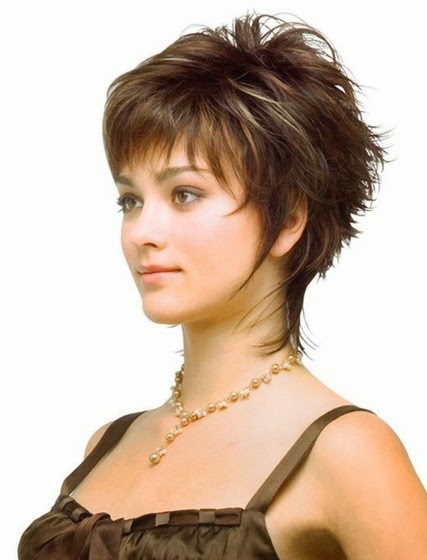 https://blogger.googleusercontent.com/img/b/R29vZ2xl/AVvXsEiZtV536ntkrnIonnVcgQtqJEyl0H0WxPGGSv_GRq6XauriwNSCtL32wb0bZPRnazJENMZtYNWpR9q2uq74g3nba1-IQ7vQvR7Fd1wVjcSSxT0XzteRPliWPIGNL51GfyAyz9VpOBUE78s/s1600/Look+Sexy+With+Short+Hairstyles+For+Women.jpg
new short haircuts for 2016 for women over 50 Latest Women Fashion
http://res.cloudinary.com/demo/image/fetch/c_scale,w_500,h_500,r_30,c_thumb,g_face,e_saturation:10/http://gvenny.com/images/short-trendy-hairstyles-for-women-over-50/short-trendy-hairstyles-for-women-over-50-49-18.jpgShort Haircuts for Women Modern Magazin
 http://modernmagazin.com/wp-content/uploads/2015/03/short-haircuts-for-women-2015-1.jpg
OIP.M23e0514ecf3fa78381310dd6236a7930o1
48250299A3807C5FB6A0F0720F604FAF9AB668188Ahttp://www.lifenfashion.com/latest-short-hair-styles-2014-women/latest-short-hairstyles-2014-for-women-and-girls-0013/
Embed Our image to your website
ThumbnailImageEmbed Our image to a Forum
ThumbnailImage


